Veneers vs. Teeth Whitening: Which Is Right for You?

A bright, attractive smile can make a difference in how you feel about your appearance. However, stained, discolored, chipped, or uneven teeth can make some people feel less confident when smiling. Fortunately, modern cosmetic dentistry offers several ways to improve the appearance of your teeth. Two popular options are dental veneers and professional teeth whitening.
When comparing veneers vs teeth whitening, it is important to understand that these treatments address different cosmetic concerns. Teeth whitening focuses primarily on improving the color of natural teeth, while veneers can change the appearance of tooth color, shape, size, and minor imperfections. The right option depends on your dental condition, smile goals, budget, and expectations.
At Park Dental Care, understanding the differences between cosmetic dental treatments can help you make a more informed decision about improving your smile.
What Are Dental Veneers?
Dental veneers are thin, custom-made shells bonded to the front surfaces of teeth to improve their appearance. They are commonly made from porcelain or composite resin and are designed to blend with the surrounding natural teeth.
Veneers can address several cosmetic concerns that teeth whitening alone cannot correct. They are often recommended for individuals who have:
- Deep or stubborn tooth discoloration that does not respond well to whitening.
- Chipped, worn, or uneven teeth.
- Small gaps between teeth.
- Irregular tooth shapes or sizes.
- Minor cosmetic alignment concerns.
Porcelain veneers are particularly popular because they offer a natural-looking appearance and resist staining better than natural tooth enamel. They can create a more uniform smile by improving the color and shape of multiple visible teeth.
However, getting traditional porcelain veneers generally involves removing a small amount of enamel to accommodate the shells. This makes the procedure an irreversible cosmetic treatment that requires careful planning and professional evaluation. You can also learn more about veneers vs crowns to understand how different restorations address cosmetic and dental concerns.
What Is Professional Teeth Whitening?
Professional teeth whitening is a cosmetic dental procedure designed to lighten the natural color of teeth and reduce discoloration. It uses bleaching agents, commonly hydrogen peroxide or carbamide peroxide, to break down stains and make teeth appear brighter.
Unlike veneers, whitening does not change the shape or structure of your teeth. Instead, it focuses on improving their existing color.
Professional teeth whitening can help address stains caused by everyday habits and natural aging, including:
- Drinking coffee, tea, and other dark-colored beverages.
- Consuming foods that contribute to tooth discoloration.
- Smoking or using tobacco products.
- Natural changes in tooth color over time.
- Surface stains that develop through daily habits.
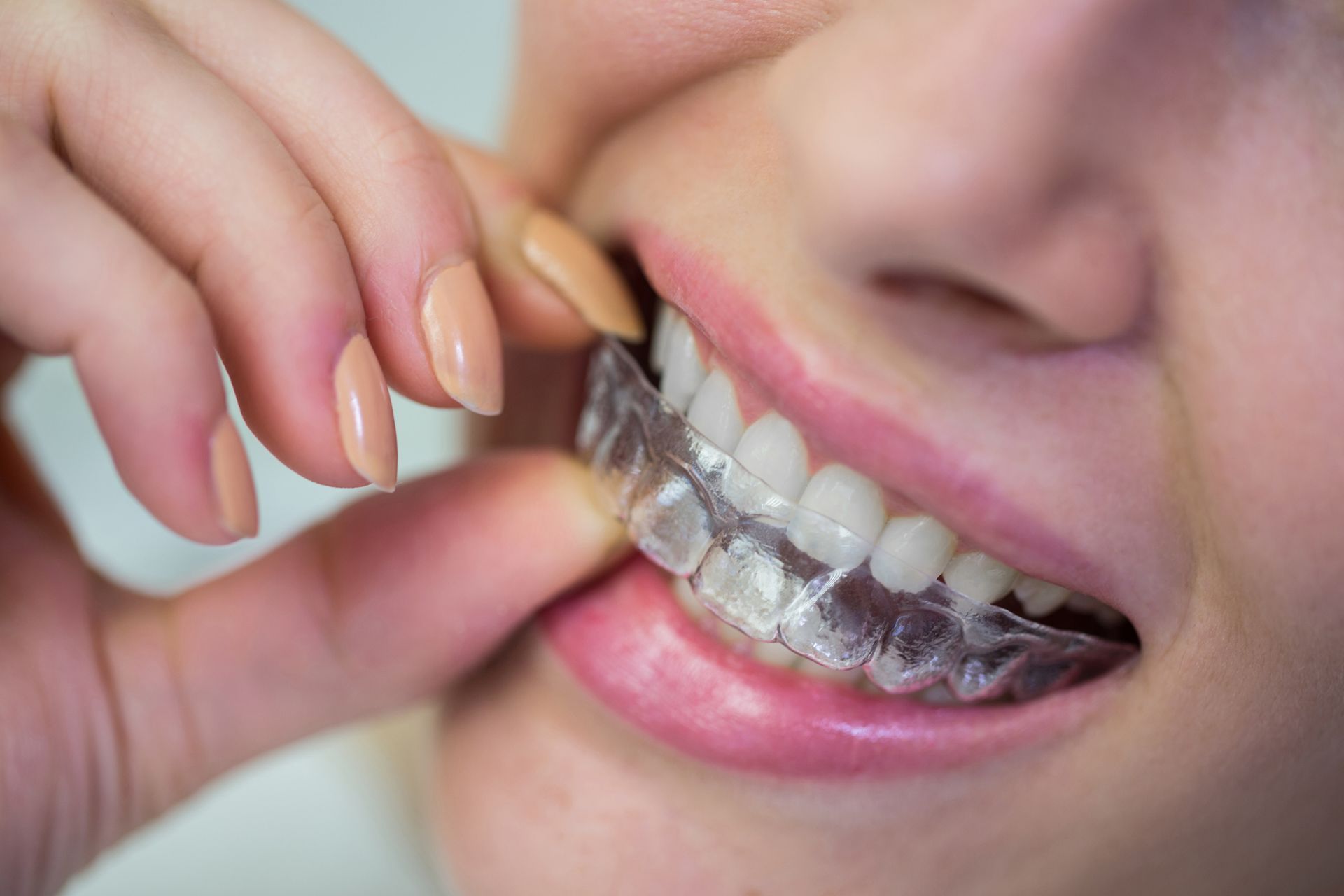
Depending on your dental needs, whitening may be performed in the dental office or through dentist-supervised take-home treatments.
In-office whitening can provide noticeable improvements in a relatively short period, while custom take-home trays allow patients to brighten their teeth gradually under professional guidance.
If you are considering this treatment, explore the teeth whitening options available in Brooklyn. It is important to remember that whitening does not change the color of crowns, veneers, fillings, or other tooth-colored restorations.
Veneers vs Teeth Whitening: Understanding the Key Differences
Although both treatments can improve the appearance of your smile, they differ in their purpose, procedure, cost, and long-term considerations.
Understanding these differences can help you determine which treatment better matches your expectations.
1. Cosmetic Results
The biggest difference between veneers and teeth whitening is the type of improvement they provide.
Teeth whitening is suitable for people who are generally happy with the shape and alignment of their teeth but want a brighter shade. It helps reduce discoloration without changing the natural structure of the teeth.
Veneers offer more comprehensive cosmetic improvements. They can cover stubborn discoloration while also changing the appearance of chipped edges, uneven shapes, and small gaps.
If your primary concern is tooth color, whitening may be sufficient. However, if you want to address several cosmetic imperfections at once, veneers may be worth considering. Other cosmetic treatments may also be discussed depending on your smile goals.
2. Treatment Procedure
Professional teeth whitening is generally less invasive than getting veneers. During an in-office procedure, the dentist protects the gums and applies a whitening solution to the teeth. The treatment is completed according to the recommended application time and the patient's needs.
Veneer treatment involves more planning and preparation. The dentist evaluates the teeth, discusses the desired appearance, and prepares the tooth surfaces when necessary. Impressions or digital scans are then used to create custom veneers. Once ready, the veneers are checked for fit and appearance before being bonded to the teeth.
While whitening can often be completed in one office visit, porcelain veneers usually require multiple appointments.
3. Longevity and Maintenance
Both treatments require proper oral hygiene and regular dental checkups to maintain their results.
Professional teeth whitening results can last from several months to a few years, depending on individual habits and maintenance. Frequent coffee consumption, tea, tobacco use, and other staining habits can cause discoloration to return sooner. Occasional touch-up treatments may help maintain a brighter smile.
Porcelain veneers can last many years when properly maintained. However, they are not permanent and may eventually require repair or replacement due to normal wear, damage, or changes in the surrounding teeth and gums.
Brushing twice daily, flossing regularly, avoiding habits such as biting hard objects, and attending routine dental visits can help protect your results.
4. Comfort and Tooth Sensitivity
Teeth whitening can sometimes cause temporary tooth sensitivity or gum irritation. These effects are generally short-lived, but people with existing sensitivity, exposed roots, cavities, or gum problems should have their teeth evaluated before treatment.
Veneer placement may involve removing a small amount of enamel, which can result in temporary sensitivity. Since the procedure changes the natural tooth structure, it is important to understand the preparation process and long-term commitment before proceeding.
Your dentist can explain the potential risks and help determine which option is appropriate for your oral health. You can also read about tooth sensitivity and why it may need attention before cosmetic treatment.
Porcelain Veneers Cost vs. Professional Teeth Whitening
Cost is another important factor when deciding between these cosmetic treatments. The overall investment depends on the procedure, the number of teeth being treated, the materials used, and the complexity of your dental needs.
Porcelain veneers cost is generally higher because each veneer is custom-designed and involves laboratory work, tooth preparation, and bonding. The total price also depends on how many teeth you want to improve. Treating several front teeth will typically involve a larger investment than placing a single veneer.
Professional teeth whitening is usually more affordable because it focuses on changing tooth color without requiring custom dental restorations. However, the cost may vary depending on whether you choose in-office whitening or dentist-supervised take-home treatment.
Here is a general comparison:
The most suitable treatment is not necessarily the least expensive one. It is the option that addresses your concerns while supporting your long-term dental health.
When Should You Choose Veneers?
Veneers may be a suitable option if you want to improve more than just the color of your teeth. They can help create a more consistent appearance when multiple cosmetic concerns are present.
You may want to discuss veneers with your dentist if you have:
- Stubborn discoloration that does not respond to whitening.
- Chipped or worn front teeth.
- Noticeable differences in tooth shape or size.
- Small spaces between teeth.
- Uneven edges that affect your smile's appearance.
However, veneers are not appropriate for everyone. Patients with untreated cavities, active gum disease, significant enamel damage, or certain bite problems may need other dental treatments first. People who frequently grind or clench their teeth may also require additional evaluation.
A thorough dental examination helps determine whether veneers are a suitable long-term solution.
When Is Professional Teeth Whitening the Better Choice?
Professional whitening may be the better choice if your teeth are healthy and properly aligned but have become yellow or stained over time.
It is particularly useful for people who want to improve their smile without permanently changing their natural tooth structure.
Consider professional whitening if:
- Your primary concern is surface staining or general tooth discoloration.
- You are satisfied with your teeth's natural shape and size.
- You prefer a less invasive cosmetic treatment.
- You want to brighten your smile without placing dental restorations.
- Your teeth and gums are healthy enough for whitening.
Keep in mind that not all discoloration responds equally to bleaching. Some intrinsic stains, medication-related discoloration, and discoloration caused by tooth injuries may require alternative treatments.
A dentist can evaluate the cause of discoloration before recommending a whitening approach. You can also learn about whitening options and the considerations involved in professional treatment.
Can You Combine Veneers and Teeth Whitening?
In some cases, veneers and teeth whitening can be used as part of the same cosmetic dental plan. However, treatment order is important.
If you are planning to whiten your natural teeth and receive veneers, whitening is generally completed first. This allows the dentist to select a veneer shade that complements the newly whitened natural teeth.
Once veneers are placed, they will not respond to traditional whitening treatments. The same applies to crowns and other tooth-colored restorations.
Planning both procedures with your dentist can help create a more balanced and consistent smile.
Improve Your Smile with Park Dental Care Brooklyn
Choosing between veneers and teeth whitening depends on what you want to improve and the current condition of your teeth. While whitening can effectively address many types of stains, veneers provide a broader cosmetic solution for people who also want to change tooth shape, size, or minor imperfections.
At Park Dental Care, discussing your smile goals and dental concerns with a dental professional is an important first step toward choosing an appropriate cosmetic treatment. A personalized evaluation can help you understand the available options, expected results, treatment considerations, and associated costs.
Whether you are considering professional teeth whitening for a brighter smile or porcelain veneers for a more comprehensive cosmetic improvement, making an informed decision can help you feel more confident about your dental care.
Contact our team to schedule a consultation and discuss which cosmetic dentistry option may be right for your smile.
Frequently Asked Questions
| Factor | Porcelain Veneers | Professional Teeth Whitening |
|---|---|---|
| Main Purpose | Improve color, shape, and appearance | Brighten natural teeth |
| Treatment Type | Cosmetic restoration | Bleaching treatment |
| Tooth Preparation | Usually requires enamel removal | No enamel removal |
| Treatment Time | Usually multiple visits | Often one visit or a take-home course |
| Longevity | Often lasts many years | Requires periodic maintenance |
| Cost | Higher investment | Generally more affordable |
| Best For | Multiple cosmetic imperfections | Tooth discoloration and staining |
1. Are veneers better than teeth whitening?
Veneers are better for addressing multiple cosmetic concerns, such as stubborn discoloration, chipped teeth, uneven shapes, and small gaps. Teeth whitening is a better option for people who primarily want to brighten naturally shaped teeth.
2. How long do porcelain veneers last compared to teeth whitening?
Porcelain veneers can last approximately 10 to 15 years or longer with proper care. Professional teeth whitening results typically last several months to a few years, depending on oral hygiene and lifestyle habits.
3. Is professional teeth whitening cheaper than porcelain veneers?
Yes, professional teeth whitening is generally more affordable than porcelain veneers. Veneers involve custom fabrication, tooth preparation, and bonding, making them a higher-cost cosmetic treatment.
4. Can teeth whitening remove all types of tooth stains?
No. Professional whitening works best on many surface stains and certain types of natural tooth discoloration. Deep intrinsic stains, medication-related discoloration, and discoloration caused by tooth injuries may require alternative cosmetic treatments.
5. Can I whiten my teeth after getting porcelain veneers?
Whitening treatments cannot change the color of porcelain veneers. If you want brighter natural teeth after getting veneers, your dentist can discuss suitable options to maintain a consistent appearance across your smile.
Recent Post
Book A Dental Check Today!
Contact Us