Swelling Around Just One Tooth? Here's What It Could Mean

Noticing puffy gums around one tooth can be concerning, especially when the swelling appears suddenly or is accompanied by tenderness. While localized gum swelling can sometimes result from something as simple as food trapped between the teeth, it may also point to gum disease, irritation, tooth decay, or an infection.
Understanding the possible reasons for gums swelling can help you decide when home care may be enough and when a dental examination is more appropriate. If the swelling continues, becomes painful, or keeps returning, identifying the underlying cause is important rather than simply treating the visible swelling.
What Does Puffy Gum Around One Tooth Mean?
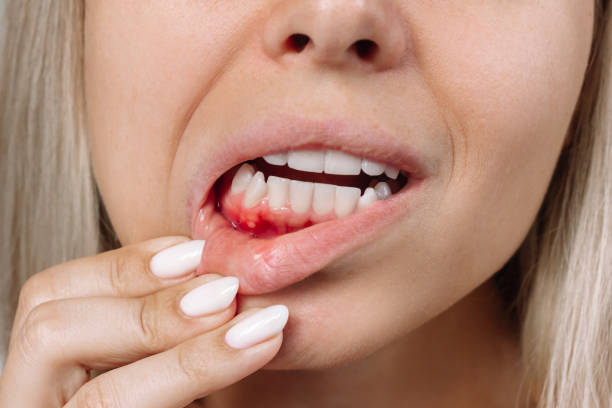
When the gum tissue around a single tooth becomes enlarged, red, tender, or noticeably different from the surrounding gums, it is considered localized gum swelling. Unlike generalized gum inflammation, which affects several areas of the mouth, localized swelling is concentrated around one particular tooth or a small section of gum.
The appearance and accompanying symptoms can provide useful clues. For example, swelling after food becomes trapped between two teeth may be caused by local irritation. On the other hand, swelling accompanied by severe pain, pus, a bad taste, or facial swelling may indicate an infection requiring prompt dental care.
Common Causes of Puffy Gums Around One Tooth
1. Food Trapped Between the Teeth
One of the simpler causes of localized gum swelling is food becoming lodged between a tooth and the surrounding gum tissue. Hard or fibrous foods can irritate the area, particularly when they remain trapped for an extended period.
The gum may become tender, red, or puffy. Carefully cleaning between the affected teeth may allow the irritation to settle. However, if the swelling remains after the area has been cleaned or continues to return, another underlying problem may be present.
2. Plaque Buildup and Gingivitis
Plaque is a sticky layer of bacteria that develops on teeth. When it is not removed effectively, it can irritate the gums and contribute to gingivitis.
Although gingivitis can affect several areas of the mouth, plaque can sometimes accumulate more heavily around a particular tooth. This may make one section of gum appear noticeably more swollen than the surrounding tissue.
Bleeding while brushing or flossing, redness, tenderness, and persistent bad breath can occur alongside gum inflammation. You can also learn more about swollen gums causes and the factors that can contribute to inflammation.
3. Periodontitis and Localized Gum Disease
Gum disease can progress beyond the early stages of gingivitis and affect the tissues supporting the teeth. Periodontitis can lead to deeper spaces between the gums and teeth, commonly known as periodontal pockets.
When inflammation becomes concentrated around a particular tooth, the area may appear swollen or tender. Other possible signs include bleeding, gum recession, persistent bad breath, changes in the way teeth fit together, or tooth mobility.
Persistent localized swelling should therefore not automatically be assumed to be minor irritation. A dental professional can assess the gums and determine whether periodontal disease is contributing to the problem. Understanding periodontitis symptoms can also help you recognise signs that may require professional attention.
4. Dental Abscess or Infection
An infection involving a tooth or the surrounding tissues can cause swelling near the affected area. A dental abscess may produce a raised or swollen section of gum and can sometimes be accompanied by significant pain.
Other symptoms may include sensitivity, a bad taste in the mouth, pus or drainage, pain when biting, or swelling that spreads beyond the immediate gum area.
A suspected dental infection should be evaluated promptly. Trying to squeeze, puncture, or drain the swollen area yourself can cause additional injury and does not address the source of the infection.
5. Tooth Decay
Advanced tooth decay can affect the inner structures of a tooth and potentially contribute to inflammation or infection. When this occurs, swelling may develop around the affected tooth.
Toothache, sensitivity to hot or cold, pain when chewing, or persistent discomfort may accompany the swelling. A dental examination can determine whether decay is involved and whether the tooth requires treatment.
If an infection has reached the inner part of the tooth, root canal treatment may be considered depending on the condition of the tooth.
6. Irritation From Brushing, Flossing, or Dental Appliances
Gum tissue can become irritated when brushing or flossing is too forceful. Repeated pressure in one area can leave the gum tender or swollen.
Dental appliances can also create localized irritation. Retainers, dentures, orthodontic appliances, or other devices may rub against the gum if they do not fit properly or if the tissue is particularly sensitive.
If swelling began after a change in your oral hygiene routine or dental appliance, tell your dentist so the source of irritation can be assessed.
7. Gum Injury
An injury can cause temporary swelling around a tooth. Biting into a hard food, accidentally hitting the gum, or irritating the tissue with a sharp food particle can result in localized inflammation.
Minor irritation may improve as the tissue heals. However, swelling that persists, becomes increasingly painful, or develops other symptoms should be examined rather than assumed to be the result of a minor injury.
8. Partially Erupted or Impacted Tooth
A tooth that has not fully emerged through the gum can sometimes cause inflammation in the surrounding tissue. This is particularly common around wisdom teeth.
Because the area around a partially erupted tooth can be difficult to clean, bacteria and food particles may accumulate around the gum. This can contribute to tenderness, swelling, bad breath, or discomfort.
Why Does Gum Swelling Around One Tooth Hurt?
Gum swelling pain can occur when inflamed tissue becomes sensitive to pressure or when inflammation affects deeper tissues around a tooth.
Mild tenderness may result from irritation, but more intense or worsening pain deserves greater attention. Pain that occurs when biting, persistent throbbing, significant sensitivity, or swelling accompanied by pus can be associated with problems involving the tooth or surrounding tissues.
Because several conditions can produce similar symptoms, the location and severity of pain alone cannot establish the cause. A dental examination is the best way to determine what is happening.
When Should You Be Concerned About Swelling Around One Tooth?
It is particularly important to arrange a dental evaluation when localized swelling does not improve or is accompanied by other concerning symptoms.
Watch for:
- Swelling that persists rather than gradually improving.
- Swelling that disappears and repeatedly returns.
- Significant or worsening pain.
- Pus or drainage around the tooth.
- A tooth that feels loose.
- Frequent bleeding from the affected area.
- Persistent bad breath or a bad taste.
- Increasing redness or tenderness.
- Facial or jaw swelling.
- Fever or feeling generally unwell.
Difficulty breathing or swallowing together with facial or mouth swelling requires urgent medical attention. If you are experiencing a potentially serious dental problem, knowing when to seek care can help you respond appropriately.
What Can You Do for Puffy Gums Around One Tooth?
If the swelling appears mild and there are no serious symptoms, you can focus on gentle oral hygiene while monitoring the area.
- Brush gently with a soft-bristled toothbrush.
- Carefully clean between the affected tooth and its neighbour.
- A warm salt-water rinse may help soothe irritated tissues for some people.
- Avoid foods that repeatedly aggravate the swollen area.
- Do not squeeze, cut, or puncture the swollen gum.
- Avoid smoking or tobacco, which can interfere with gum health and healing.
- Arrange a dental examination if the swelling persists, worsens, or returns.
Home care can support oral hygiene, but it cannot correct problems such as advanced gum disease, tooth decay, or a dental infection.
How a Dentist Diagnoses Localized Gum Swelling
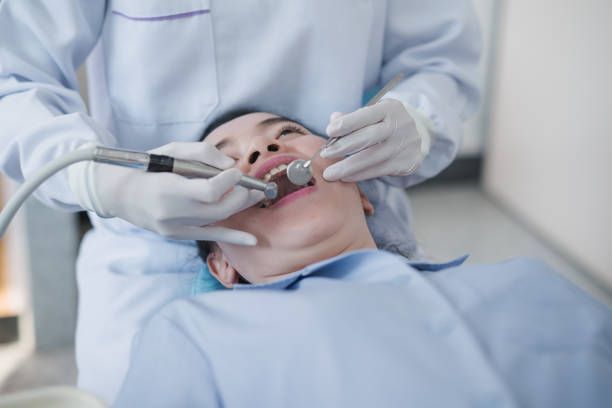
The appearance of swollen gum tissue does not always reveal its underlying cause. Your dentist may use several parts of an examination to determine why the area is inflamed.
- Your symptoms and dental history will be reviewed.
- The swollen gum and surrounding teeth will be examined.
- Plaque and tartar buildup may be assessed.
- Gum pockets may be measured when gum disease is suspected.
- The affected tooth may be checked for decay, damage, sensitivity, or mobility.
- The surrounding tissues may be examined for signs of infection.
- Dental X-rays may be recommended when they are needed to evaluate the tooth or supporting structures.
This assessment helps distinguish between surface irritation, gum disease, tooth-related problems, and infection.
How Is Swelling Around One Tooth Treated?
Treatment depends on the reason for the swelling. There is no single treatment that is appropriate for every case.
If plaque or tartar is contributing to inflammation, professional cleaning and improved daily oral hygiene may be recommended. When periodontal disease is involved, more targeted periodontal treatment may be necessary to address inflammation and affected gum tissues.
If tooth decay, damage, or an infection is responsible, treatment will focus on the affected tooth and the source of the problem. Local irritation may require adjustment of an appliance or changes to an oral hygiene technique.
The goal is to identify and address the underlying cause rather than simply reduce the visible swelling.
Can Puffy Gums Around One Tooth Go Away on Their Own?
Mild swelling caused by temporary irritation or food trapped between teeth may improve once the source of irritation is removed and the area is kept clean.
However, swelling that continues, returns frequently, or becomes painful should not be ignored. Gum swelling can sometimes be an early sign of a problem that requires professional treatment.
Even when the swelling eventually goes down, repeated episodes around the same tooth are worth discussing with a dentist. The underlying cause may still be present.
Puffy Gums Around One Tooth vs Generalized Gum Swelling
| Feature | Localized Gum Swelling | Generalized Gum Swelling |
|---|---|---|
| Location | Usually affects one tooth or a small area | Affects multiple areas of the mouth |
| Possible Causes | Trapped food, local irritation, infection, decay, periodontal problems | Gingivitis, periodontal disease, oral hygiene issues, systemic or medication-related factors |
| Symptoms | Swelling, tenderness, pain, redness around a specific tooth | More widespread redness, puffiness, bleeding, or tenderness |
| Evaluation | Particularly important if the area persists or returns | Dental evaluation can help determine the broader cause |
How to Prevent Localized Gum Swelling
Good daily oral hygiene can reduce the likelihood of plaque-related gum inflammation and help you notice changes in your mouth early.
- Brush your teeth twice a day using a gentle technique.
- Clean between your teeth regularly.
- Attend routine dental examinations and recommended cleanings.
- Do not ignore persistent or recurring gum bleeding.
- Avoid tobacco products.
- Replace toothbrushes when the bristles become worn.
- Have dental problems evaluated rather than allowing them to progress.
- Follow any periodontal care recommendations provided by your dental professional.
Paying attention to changes around individual teeth is especially useful because localized problems can sometimes develop before symptoms become more widespread.
Periodontal Care in Brooklyn
If you have persistent swelling around one tooth, professional evaluation can help determine whether the issue is related to gum disease, an infection, local irritation, or another dental problem.
Park Dental Brooklyn can assess the condition of your gums and teeth and determine whether periodontal care is appropriate. If gum disease is suspected, learning more about periodontal care can help you understand the types of care that may be recommended based on your individual condition.
Conclusion
Puffy gums around one tooth can have many possible causes, ranging from trapped food and minor irritation to gum disease, tooth decay, or infection. The presence of swelling alone does not reveal which problem is responsible.
If the swelling is persistent, repeatedly returns, causes significant pain, or is accompanied by pus, fever, facial swelling, or other concerning symptoms, a dental examination is important. Early evaluation can help identify the cause and ensure that the appropriate treatment is provided.
If you have concerns about persistent gum swelling, you can contact the dental team to arrange an evaluation.
Frequently Asked Questions
1. Why are my gums swollen around only one tooth?
Localized swelling can result from trapped food, plaque buildup, gum disease, irritation, tooth decay, an injury, or an infection affecting the tooth or surrounding tissues.
2. What causes puffy gums around one tooth?
Common causes include food trapped between teeth, localized plaque buildup, gingivitis, periodontal disease, irritation, tooth decay, dental infection, and partially erupted teeth.
3. Why does gum swelling around one tooth hurt?
Inflammation can make the gum tissue sensitive to pressure. Pain may also occur when a tooth or the surrounding tissues are affected by decay, infection, or deeper inflammation.
4. Can food stuck between teeth cause gum swelling?
Yes. Food trapped between teeth can irritate the surrounding gum and cause temporary swelling and tenderness. If the swelling does not improve after the area is cleaned, another cause may need to be investigated.
5. Can gum disease cause swelling around one tooth?
Yes. Although gum disease can affect multiple areas, inflammation and periodontal problems may be more noticeable around a particular tooth.
Recent Post



Book A Dental Check Today!
Contact Us