Invisalign vs Braces: Which Treatment Fits Your Lifestyle?
Choosing the right orthodontic treatment can feel overwhelming, especially when you are deciding between clear aligners and traditional braces. The invisalign vs braces decision depends on several factors, including your dental needs, lifestyle, appearance preferences, treatment goals, and budget. Both options can effectively straighten teeth and improve your bite, but they work differently and offer distinct advantages.
At Park Dental Care Brooklyn, we understand that every smile is different. Learning how Invisalign and traditional braces compare can help you have a more informed conversation with your dental professional and choose an approach that suits your individual needs.
What Is Invisalign?
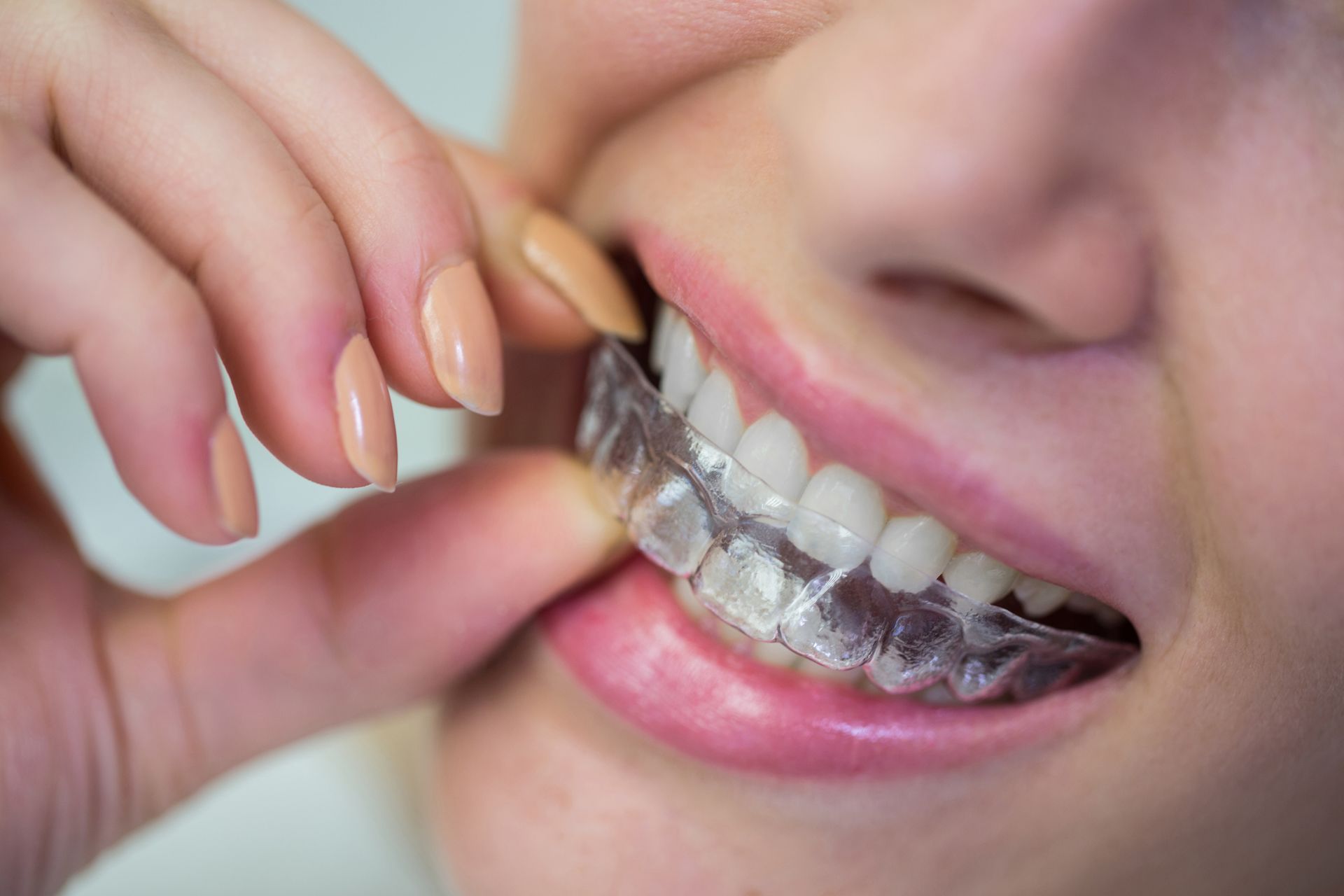
Invisalign uses a series of custom-made, clear aligners designed to gradually move teeth into their desired positions. The aligners are removable and are typically replaced with a new set as treatment progresses.
One of the biggest advantages of Invisalign is its discreet appearance. The clear material makes the aligners much less noticeable than traditional metal braces, which can be particularly appealing to adults and teenagers who want a more subtle orthodontic treatment.
Because the aligners can be removed, patients can continue eating their favorite foods and maintain their normal brushing and flossing routines with fewer restrictions.
How Do Traditional Braces Work?
Traditional braces use brackets attached to the teeth and connected with orthodontic wires. The wires apply controlled pressure that gradually moves teeth into better alignment.
Modern braces can be more comfortable and less noticeable than older versions. While metal braces remain a popular option, other variations may offer a different appearance depending on the patient's needs.
Unlike Invisalign aligners, braces remain attached to the teeth throughout treatment. This means patients do not need to remember to put them back in after meals or cleaning, but they do need to follow proper care around the brackets and wires when brushing and flossing.
Invisalign vs Braces: Appearance
Appearance is one of the most common reasons people research invisalign vs braces.
Invisalign aligners are made from clear material, making them difficult to notice when worn. This can be especially beneficial for professionals, students, and anyone who feels self-conscious about wearing orthodontic appliances.
Traditional braces are more visible because of their brackets and wires. However, many patients become comfortable with their appearance over time, and braces remain a reliable and widely used orthodontic option.
If discretion is a major priority, Invisalign may be more appealing. If appearance is less important than treatment requirements, traditional braces may also be an excellent choice.
Invisalign vs Braces: Comfort
Comfort is another important consideration when comparing invisalign vs braces.
Invisalign aligners are smooth and custom-fitted, so they generally do not have the metal brackets or wires associated with traditional braces. Some patients may experience temporary pressure or mild discomfort when switching to a new set of aligners.
Braces can cause temporary soreness, particularly after adjustments. Brackets and wires may also occasionally irritate the cheeks, lips, or gums.
The experience varies from person to person, so discussing your concerns with your dental provider can help determine which option may be more comfortable for you.
Eating and Oral Hygiene
The ability to remove Invisalign aligners provides greater flexibility when eating. Patients can take their aligners out before meals and enjoy a wide range of foods. However, they should brush their teeth and follow good Invisalign care habits before putting the aligners back in.
Traditional braces require more care around food choices. Sticky, hard, or excessively crunchy foods may damage brackets or wires. Cleaning around the braces also requires additional attention to prevent plaque buildup.
For people who value flexibility in their daily routine, Invisalign can offer a convenient advantage.
Treatment Effectiveness
When considering invisalign vs braces, effectiveness should be based on your specific orthodontic needs rather than appearance alone.
Invisalign can effectively treat many common alignment concerns, including mild to moderate crowding, spacing, and certain bite problems. Traditional braces can address a broad range of orthodontic issues and may be recommended for more complex cases.
Your dentist or orthodontic provider can evaluate your teeth, bite, jaw relationship, and overall oral health to determine which treatment is appropriate.
Invisalign vs Braces: Treatment Commitment
Invisalign requires patient responsibility because the aligners need to be worn consistently according to the treatment plan. Removing them too frequently or failing to wear them for the recommended amount of time can affect treatment progress.
Braces remain attached to the teeth, so patients do not have to remember to wear them. However, they must attend regular appointments and follow instructions regarding oral hygiene and food choices.
Your ability to follow your treatment plan should therefore be part of the invisalign vs braces decision.
Cost Considerations
Cost is another factor patients commonly consider when comparing invisalign vs braces. The total price can vary depending on the complexity and length of treatment, the type of orthodontic correction required, and the dental provider.
Neither option should automatically be considered the less expensive choice because treatment costs are highly individual. During your consultation, ask about the total treatment cost, payment options, insurance coverage, and any additional appointments or retainers that may be required.
Which Option Is Right for You?
There is no universal answer when it comes to invisalign vs braces. Invisalign may suit patients who prioritize discreet treatment, removable appliances, and greater dietary flexibility. Traditional braces may be preferable for patients who need comprehensive orthodontic correction or who would benefit from a fixed treatment option. If you're still weighing the two, this rundown of what to know before getting Invisalign can help you ask the right questions at your consultation.
The best choice depends on your teeth, bite, lifestyle, treatment goals, and ability to follow the recommended care routine.
At Park Dental Care Brooklyn, we can help you understand your orthodontic options and determine which approach aligns with your smile goals.
Conclusion
The invisalign vs braces decision involves more than choosing between clear aligners and metal brackets. Appearance, comfort, oral hygiene, eating habits, treatment complexity, cost, and personal commitment all play important roles.
Both Invisalign and traditional braces can help create a healthier, more aligned smile when used appropriately. Rather than choosing based solely on popularity or appearance, consider your individual dental needs and discuss your options with a qualified dental professional.
At Park Dental Care Brooklyn, our team is here to help you understand the differences between orthodontic treatments and make a confident decision based on your unique smile and lifestyle. Contact us to schedule a consultation.
FAQs
1. Is Invisalign better than traditional braces?
Neither option is universally better. Invisalign can be a good choice for patients who want a discreet and removable treatment, while traditional braces may be better suited for certain complex orthodontic concerns.
2. How long does orthodontic treatment take?
Treatment time varies depending on the patient's dental condition, treatment method, and individual goals. Your dentist can provide a more accurate estimate after evaluating your teeth and bite.
3. Can I eat normally during orthodontic treatment?
Patients using clear aligners can remove them while eating, allowing greater dietary flexibility. With traditional braces, certain hard, sticky, and crunchy foods may need to be avoided to protect the brackets and wires.
4. Which option is easier to keep clean?
Clear aligners can be removed for brushing and flossing, making regular oral hygiene more straightforward. Braces require careful cleaning around brackets and wires to help prevent plaque buildup.
5. How do I know which orthodontic treatment is right for me?
The right treatment depends on your dental needs, bite, lifestyle, treatment goals, and overall oral health. A dental consultation can help determine whether clear aligners or traditional braces are more appropriate for your smile.
Recent Post




Book A Dental Check Today!
Contact Us