
Periodontal Treatment in Brooklyn: Why Gum Health Matters More Than You Think
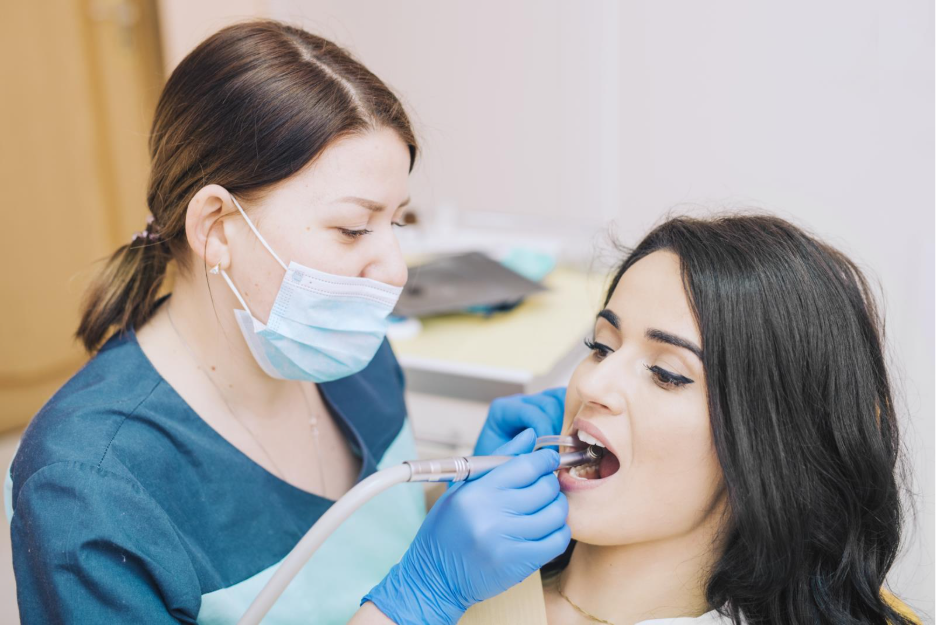
When people think about oral health, they usually focus on keeping their teeth clean and cavities free. While healthy teeth are important, gum health plays an equally critical role in maintaining a strong and healthy smile. The gums provide support for your teeth and protect the underlying bone structure. When gum health is ignored, it can lead to infections, tooth loss, and even impact overall health.
Many individuals overlook the early signs of gum disease until the condition becomes serious. Symptoms such as bleeding gums, swelling, or persistent bad breath should never be ignored. Seeking periodontal treatment in Brooklyn early can help stop gum disease before it progresses and protect your long-term oral health.
This guide explains why gum health matters, what causes gum disease, and how professional treatment can restore and maintain healthy gums.
Understanding Gum Disease
Gum disease, also known as periodontal disease, is a bacterial infection that affects the tissues surrounding the teeth. It develops when plaque and bacteria accumulate along the gum line and are not removed through proper oral hygiene.
What Is Gum Disease
Plaque is a sticky film of bacteria that forms on teeth throughout the day. When plaque is not removed through brushing and flossing, it hardens into tartar. Tartar buildup irritates the gums and creates an environment where harmful bacteria can grow.
Over time, this bacterial buildup leads to inflammation and infection in the gum tissues. Without proper care, gum disease can damage the bone and tissues that support the teeth.
Stages of Gum Disease
Gum disease develops gradually and progresses through different stages.
- Gingivitis
Gingivitis is the earliest stage of gum disease. At this stage, gums may appear red, swollen, or bleed during brushing or flossing. The good news is that gingivitis can often be reversed with professional dental care and improved oral hygiene.
- Periodontitis
If gingivitis is left untreated, it can progress into periodontitis. At this stage, the infection spreads deeper into the gums and may begin damaging the bone supporting the teeth. This can eventually lead to loose teeth or tooth loss.
Seeking periodontal treatment in Brooklyn early can prevent gingivitis from progressing into more serious stages of gum disease.
Common Signs You May Need Periodontal Treatment
Many people ignore early symptoms of gum disease because they believe minor bleeding or gum sensitivity is normal. However, these symptoms often indicate an underlying issue.
Common signs that may require gum disease treatment include:
- Bleeding while brushing or flossing
- Red, swollen, or tender gums
- Persistent bad breath
- Receding gums that make teeth appear longer
- Sensitivity near the gum line
- Loose or shifting teeth
If you experience any of these symptoms, it is important to visit a bleeding gums dentist for an evaluation. Early diagnosis can prevent long term damage and help restore healthy gum tissues.
Causes and Risk Factors of Gum Disease
Gum disease can develop for several reasons. While poor oral hygiene is the most common cause, other lifestyle and health factors can also increase the risk.
Poor Oral Hygiene
When brushing and flossing are not done regularly or properly, plaque accumulates along the gum line. Over time, this buildup hardens into tartar, which can only be removed through professional dental cleaning.
Without regular dental care, plaque and tartar continue to irritate the gums and lead to infection.
Lifestyle and Health Factors
Several factors can increase the risk of developing gum disease:
- Smoking or tobacco use
- Diabetes or certain medical conditions
- Hormonal changes
- Poor nutrition
- Stress that affects the immune system
Individuals with these risk factors should pay close attention to their oral health and schedule regular dental visits.
What Is Periodontal Treatment
Periodontal treatment focuses on removing infection from the gums and restoring healthy gum tissue. The type of treatment recommended depends on the severity of the condition.
Professional Deep Cleaning
One of the most common treatments for early gum disease is scaling and root planning. This deep cleaning procedure removes plaque and tartar from below the gum line.
Scaling removes bacterial buildup, while root planning smooths the tooth roots to help gums reattach the teeth.
This procedure helps reduce inflammation and allows the gums to heal properly.
Advanced Gum Disease Treatments
In more advanced cases, additional treatments may be necessary to control infection and repair gum tissue.
These treatments may include:
- Antibiotic therapy to eliminate bacteria
- Gum surgery to restore damaged tissues
- Bone grafting procedures when bone loss has occurred
Professional gum disease treatment can help stop the progression of gum disease and protect your teeth from further damage.
Benefits of Early Periodontal Treatment
Early intervention plays a significant role in preventing serious oral health problems. When gum disease is treated in its early stages, patients can avoid complications and maintain healthy gums.
Some key benefits of early periodontal treatment in Brooklyn include:
- Preventing tooth loss
- Reducing gum inflammation and infection
- Protecting the jawbone structure
- Improving breath and overall oral comfort
- Enhancing the appearance of your smile
Addressing gum issues early helps ensure that your teeth remain strong and stable for years to come.
The Connection Between Gum Health and Overall Health
Many people are surprised to learn that gum health is closely connected to overall health. Research has shown that untreated gum disease may contribute to other medical conditions.
Bacteria from infected gums can enter the bloodstream and potentially affect other parts of the body.
Some conditions that may be linked to gum disease include:
- Heart disease
- Diabetes complications
- Respiratory issues
- Inflammation in other parts of the body
Maintaining healthy gum is not just important for your smile. It also supports your overall wellbeing.
Preventing Gum Disease
The good news is that gum disease is often preventable with proper oral care and regular dental visits.
Daily Oral Hygiene Habits
Maintaining good oral hygiene at home is the first step in protecting your gums.
Healthy habits include:
- Brushing your teeth at least twice a day
- Using fluoride toothpaste
- Flossing daily to remove plaque between teeth
- Using antibacterial mouthwash if recommended by your dentist
These simple steps help reduce plaque buildup and prevent gum irritation.
Regular Dental Visits
Routine dental checkups and cleanings allow dentists to detect early signs of gum disease before they become serious.
Professional cleanings remove plaque and tartar that cannot be eliminated through brushing alone.
Visiting a bleeding gums dentist regularly ensures that your gums stay healthy, and any concerns are addressed quickly.
What to Expect During a Periodontal Appointment
If you visit a dentist for gum health concerns, the appointment typically begins with a thorough examination.
The dentist will carefully evaluate the condition of your gums and teeth. This may include measuring the depth of gum pockets, checking for inflammation, and reviewing dental X-rays.
Based on the findings, the dentist will recommend a treatment plan designed to restore gum health and prevent further infection.
Patients receiving periodontal treatment in Brooklyn often experience noticeable improvements in gum health once the infection is addressed.
Why Choosing the Right Dentist Matters
Successful gum treatment requires professional expertise and personalized care. Choosing an experienced dental provider ensures that you receive accurate diagnosis and effective treatment.
A qualified dental team can identify early signs of gum disease and provide treatment that addresses both the symptoms and the underlying causes.
Advanced technology and modern dental techniques also improve treatment outcomes and patient comfort, allowing dental professionals at Park Dental Care to deliver safe, efficient, and reliable periodontal care.
Conclusion
Healthy gums are essential for maintaining strong teeth and protecting your overall oral health. Unfortunately, many people overlook gum care until symptoms become severe. Bleeding gums, swelling, or persistent bad breath are warning signs that should not be ignored.
Seeking periodontal treatment in Brooklyn at the first sign of gum disease can prevent serious complications and help restore healthy gum tissues. Early treatment protects your teeth, supports jawbone health, and improves long term dental wellness.
If you are experiencing symptoms of gum disease or want to maintain healthy gums, the experienced team at Park Dental is committed to providing personalized care and advanced periodontal treatments. Schedule your appointment today and take the first step toward protecting your smile and improving your gum health.
Frequently Asked Questions (FAQs)
1. What is periodontal treatment in Brooklyn?
Periodontal treatment in Brooklyn focuses on diagnosing and treating gum disease. It includes procedures such as deep cleaning, scaling and root planning, and other treatments designed to remove infection and restore healthy gum tissue.
2. When should you see a dentist for gum disease treatment?
You should visit a dentist if you notice symptoms such as bleeding gums, swollen gums, persistent bad breath, or gum recession. Early gum disease treatment can prevent the condition from progressing and protect your teeth.
3. Is bleeding while brushing a sign of gum disease?
Yes, bleeding while brushing or flossing can be an early sign of gum disease. If this happens frequently, it is important to consult a bleeding gums dentist for a professional evaluation.
4. How long does periodontal treatment take?
The duration of periodontal treatment depends on the severity of gum disease. Early stage treatment such as deep cleaning may be completed in one or two visits, while advanced cases may require additional appointments.
5. Can gum disease be prevented?
Yes, gum disease can often be prevented with proper oral hygiene. Brushing twice daily, flossing regularly, and visiting a dentist for routine cleanings can significantly reduce the risk of gum problems.
Recent Post



Book A Dental Check Today!
Contact Us