Can Stress or Hormones Cause Swollen Gums? The Hidden Triggers

Swollen gums are often linked to poor oral hygiene, but many people overlook deeper causes like stress and hormonal changes. These hidden triggers can silently affect your gum health and lead to discomfort if not addressed early. If you are noticing changes in your gums, visiting Park Dental Care can help you identify the root cause and protect your oral health before it worsens.
What Are Swollen Gums and Why Do They Happen?
Swollen gums occur when gum tissues become inflamed due to irritation, infection, or underlying health conditions. While plaque buildup is a common cause, factors like stress and hormones can also disrupt gum health and lead to noticeable swelling and sensitivity over time.
Common Signs of Swollen Gums
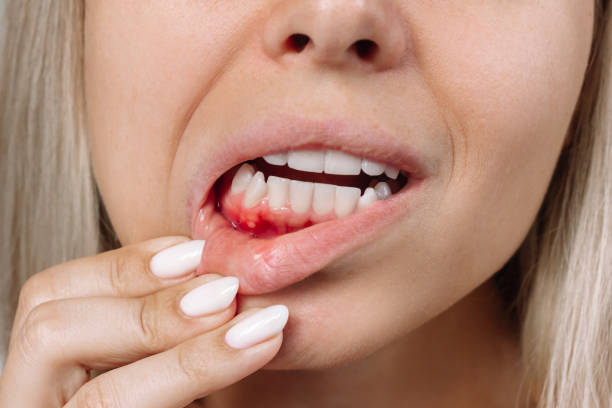
Swollen gums can present in different ways, depending on the underlying cause. Recognizing early symptoms helps prevent more serious dental issues and ensures timely care.
- Red or puffy gum tissue
- Bleeding while brushing or flossing
- Tenderness or discomfort
- Persistent bad breath
- Gum sensitivity to hot or cold
Understanding Painful Swollen Gums and Early Warning Signals
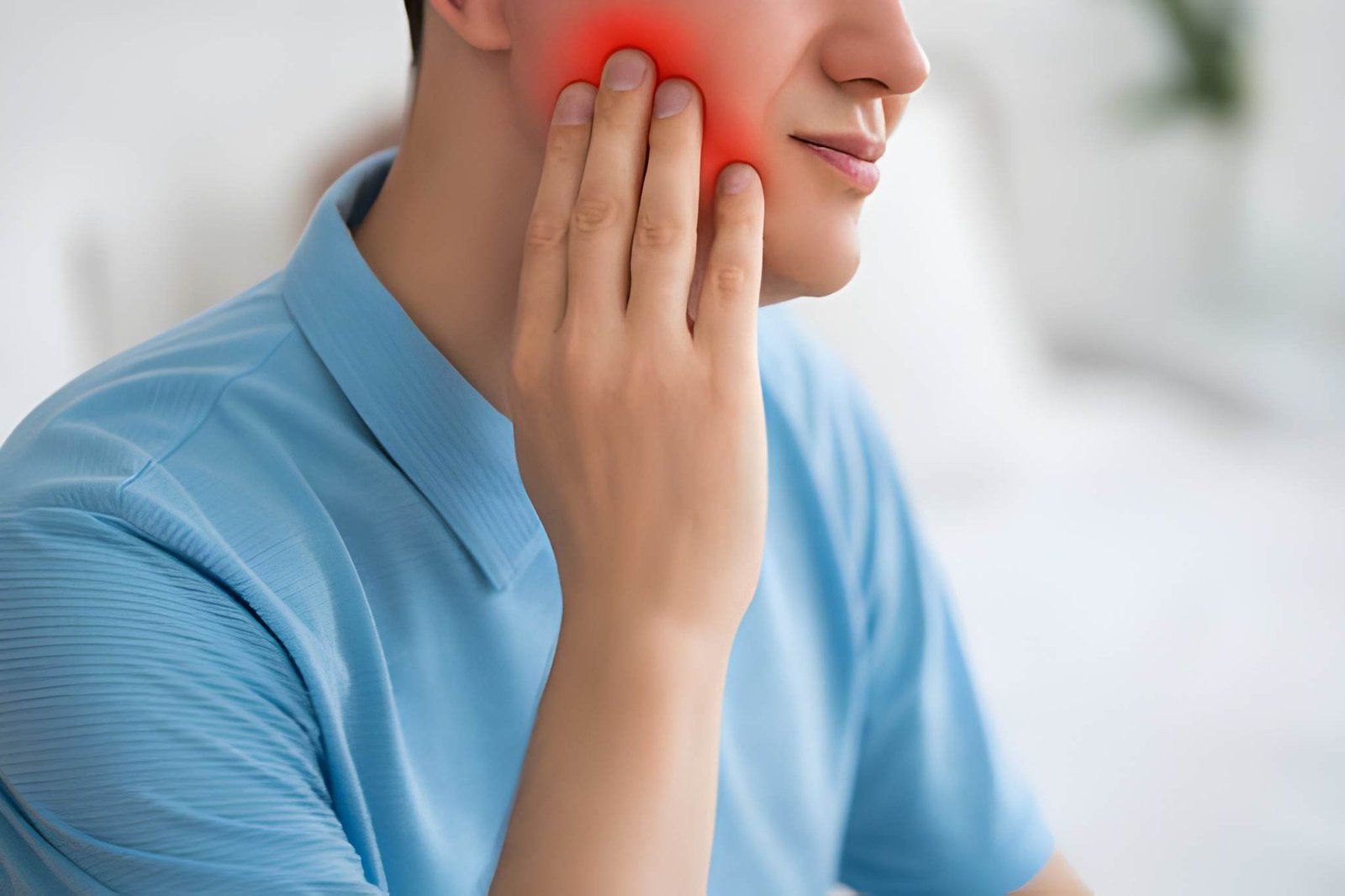
Painful swollen gums are often a sign that inflammation has progressed. This can result from untreated plaque buildup or internal factors like stress hormones affecting the body’s immune response and making gums more vulnerable to irritation and infection.
Swollen Gums Causes You Might Be Overlooking
Many people assume that swollen gums causes are limited to brushing habits. However, several hidden factors can contribute to gum inflammation, making it important to consider both external and internal influences on oral health.
Poor Oral Hygiene and Plaque Buildup
When plaque accumulates on teeth, it irritates the gums and leads to inflammation. Over time, this can develop into gingivitis, which is one of the most common causes of swollen gums and can worsen without proper care.
Nutritional Deficiencies and Lifestyle Factors
A lack of essential nutrients can weaken gum tissues and make them more prone to swelling. Lifestyle habits also play a significant role in maintaining gum health.
- Vitamin C deficiency affecting gum strength
- Smoking or tobacco use
- Dehydration reducing saliva production
- Poor diet high in sugar
- Irregular dental care routines
How Stress Impacts Your Gum Health
Stress is not just a mental condition. It has physical effects that can directly impact your oral health, including the development of swollen gums and increased sensitivity in gum tissues.
The Link Between Stress and Inflammation
When the body is under stress, it releases hormones like cortisol that can increase inflammation. This response weakens the immune system, making it harder for the body to fight off bacteria that cause gum irritation and swelling.
Stress Related Habits That Harm Your Gums
Stress often leads to habits that unknowingly damage oral health. These behaviors can worsen swollen gums and increase the risk of gum disease.
- Teeth grinding or clenching
- Neglecting oral hygiene routines
- Increased consumption of sugary foods
- Smoking or alcohol use
- Reduced sleep affecting healing
Hormonal Changes and Their Effect on Gums
Hormonal fluctuations can make gums more sensitive and reactive to plaque. This is why many people experience swollen gums during specific life stages or health conditions.
Swollen Gums During Pregnancy and Puberty
Hormonal shifts during pregnancy and puberty increase blood flow to the gums, making them more prone to inflammation. This condition, often called hormonal gingivitis, can cause noticeable swelling and tenderness.
Hormonal Imbalances and Gum Sensitivity
Changes in hormone levels can alter how the body responds to bacteria. This heightened sensitivity can lead to painful swollen gums even with minimal plaque buildup, making consistent care even more important.
Why Stress and Hormones Together Can Worsen Gum Issues
When stress and hormonal changes occur together, their effects can compound and significantly impact gum health. This combination often leads to more severe inflammation and longer recovery times.
Immune System Suppression and Oral Health
Both stress and hormonal imbalances can suppress the immune system. This makes it easier for bacteria to thrive in the mouth and increases the likelihood of developing swollen gums and infections.
Increased Risk of Gum Disease
When gum inflammation is not managed, it can progress into more serious conditions. The combined effect of stress and hormones can accelerate this progression.
- Faster plaque buildup
- Increased gum bleeding
- Higher risk of gingivitis
- Potential progression to periodontitis
- Delayed healing of gum tissues
When Swollen Gums Become a Serious Problem
While mild gum swelling may resolve with better care, persistent symptoms can indicate a more serious issue that requires professional attention to prevent long term damage.
Signs You Should Not Ignore
Ignoring swollen gums can lead to complications that affect both oral and overall health. Recognizing warning signs early is essential.
- Continuous bleeding gums
- Severe pain or discomfort
- Receding gum line
- Loose teeth
- Pus or signs of infection
When to See a Dentist
If swollen gums do not improve within a few days or worsen over time, it is important to seek professional care. A dentist can identify the exact cause and provide effective treatment to prevent further complications.
Practical Ways to Reduce Swollen Gums
Managing swollen gums requires a combination of proper oral hygiene and lifestyle adjustments. Addressing both external and internal factors can help reduce inflammation and improve gum health.
Daily Oral Care Habits That Help
Maintaining consistent oral hygiene is one of the most effective ways to prevent and manage swollen gums.
- Brush twice daily with a soft bristle toothbrush
- Floss regularly to remove plaque between teeth
- Use an antibacterial mouthwash
- Stay hydrated to support saliva production
- Schedule regular dental checkups
Managing Stress for Better Gum Health
Reducing stress can have a positive impact on your overall health, including your gums. Simple lifestyle changes can make a noticeable difference.
- Practice mindfulness or meditation
- Maintain a balanced diet
- Exercise regularly
- Get enough sleep
- Avoid harmful habits like smoking
Visit Park Dental Care for Healthier Gums Today
If you are dealing with swollen gums or noticing early signs of gum discomfort, Park Dental Care family dentistry offers affordable dentist services for New York residents who need an alternative to the traditional dentist's office. Unlike those stuffy, medical clinics that smell like alcohol, our office is open, bright and cozy. Our compassionate and personable staff will answer any questions you have while you wait.
We provide affordable dentistry for the patient who demands advanced dental care services in Brooklyn and Bushwick, along with cutting edge medical procedures. We can diagnose your dental problems quickly and often provide a solution within the same visit at a cost that works for you. Our goal is to give you and your family the best chance to achieve optimal oral health.
Visit Park Dental Care today and discover how simple it can be to maintain healthy gums and a confident smile. We look forward to helping you and your family achieve lasting oral health.
Frequently Asked Questions (FAQs)
1. Can stress alone cause swollen gums?
Yes, stress can contribute to swollen gums by weakening the immune system and increasing inflammation, making it easier for bacteria to affect gum tissues.
2. Are hormonal changes a common cause of swollen gums?
Hormonal changes during pregnancy, puberty, or menopause can increase gum sensitivity and lead to swelling even with minimal plaque buildup.
3. How do I know if my swollen gums are serious?
If your gums bleed frequently, feel painful, or do not improve with proper care, it may indicate a more serious condition that requires dental attention.
4. What helps reduce painful swollen gums quickly?
Improving oral hygiene, using antibacterial mouthwash, staying hydrated, and managing stress can help reduce symptoms, but persistent issues should be checked by a dentist.
5. Can swollen gums go away on their own?
Mild cases may improve with better care, but if the underlying cause is stress, hormones, or infection, professional treatment may be necessary for full recovery.
Recent Post
Book A Dental Check Today!
Contact Us